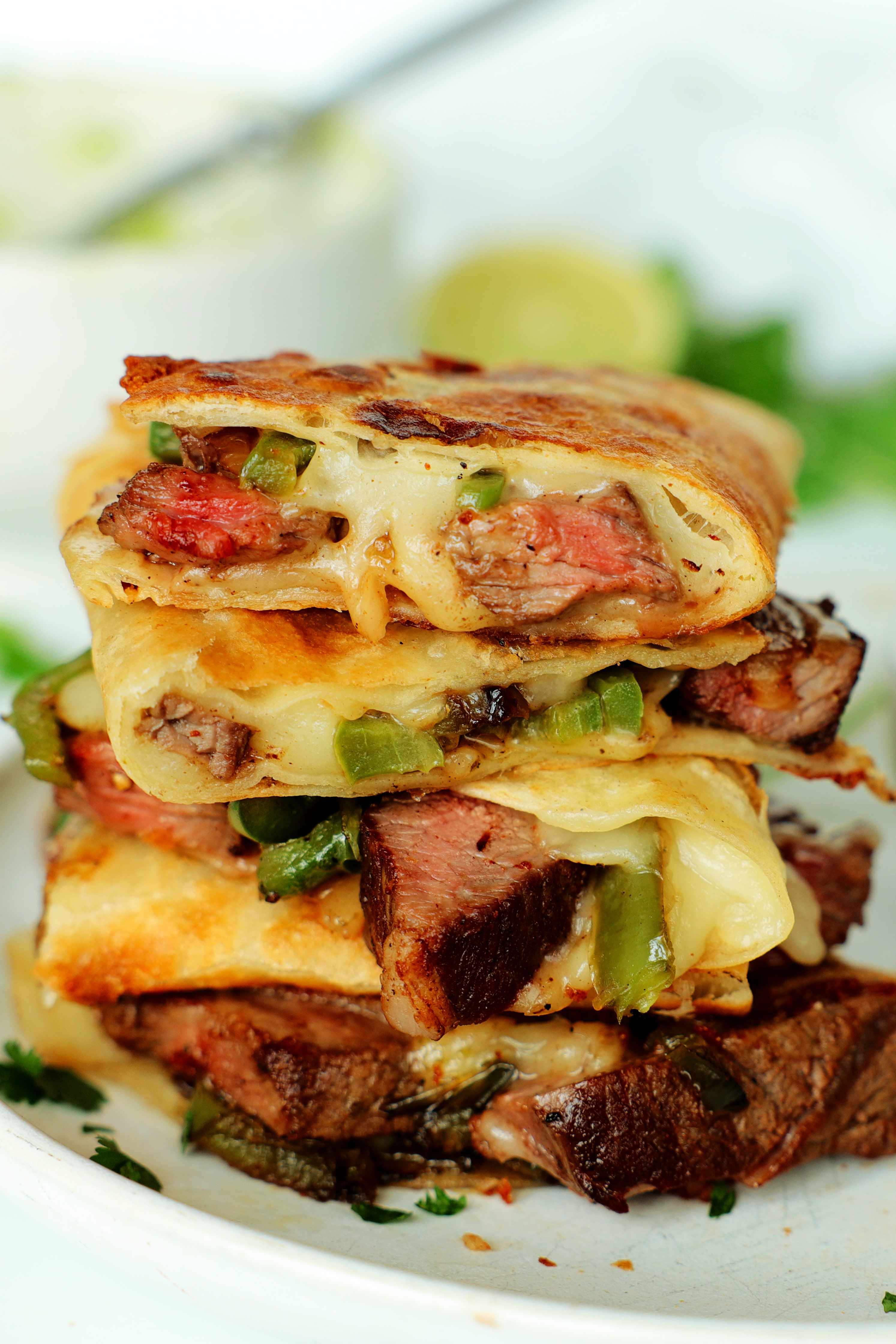
The humble quesadilla is a culinary chameleon, capable of transforming simple ingredients into a satisfying meal. But when you elevate it with succulent steak, it becomes an experience. Whether you're aiming to reinvent last night's dinner or craft something extraordinary from scratch, knowing how to make the best steak quesadilla is a skill worth mastering. This guide will walk you through every step, ensuring a perfect balance of crispy tortilla, melty cheese, and tender, flavorful steak, every single time.
The Foundation: Crafting the Perfect Crispy Tortilla Base
A truly exceptional steak quesadilla begins with its foundation: the tortilla. The goal is a beautifully browned, slightly crispy exterior that holds all the delicious fillings without becoming soggy. While flour tortillas are the traditional choice for their pliability and ability to achieve that desired crispness, you can also experiment with corn tortillas if you prefer their distinct flavor and texture – just be aware they can be more delicate to work with. For corn tortilla tips, consider exploring recipes specifically designed for them.
The secret to a great tortilla lies in the cooking method and the right amount of oil. For a lightly golden and pliable quesadilla, a quick mist of olive oil cooking spray on one side of the tortilla before placing it oiled-side-down in a preheated skillet works wonders. This ensures minimal oil contact for a healthier option while still achieving a pleasant browning.
However, if you're chasing that coveted deep golden-brown, extra-crispy exterior that truly elevates a steak quesadilla, a different approach is needed. Heat about a teaspoon of olive oil in your skillet over medium heat. Swirl the oil to coat the pan evenly, then place your tortilla in. Gently move it around the pan for a few seconds to ensure it gets fully coated in the oil. This method promotes more intense browning and a satisfying crunch that's hard to beat. Remember, medium heat is key here; too high and you risk burning the tortilla before the cheese has a chance to melt properly.
Steak: The Star of Your Quesadilla – Leftovers vs. Fresh
The beauty of a great steak quesadilla lies in its versatility, particularly when it comes to the star ingredient: the steak itself. Whether you're repurposing leftovers or cooking a cut specifically for this dish, the right approach will ensure tender, flavorful bites.
Utilizing Leftover Steak
Leftover steak is the ultimate shortcut to a quick and delicious quesadilla. While any cooked steak can work, certain cuts are often more available as leftovers from larger meals designed for slicing. Think cuts like skirt steak, tri-tip, or flank steak – these are typically cooked whole and then sliced, making them ideal for dicing or shredding for your quesadilla. Individually portioned steaks like filet mignon or strip steak are less likely to leave remnants, but if they do, don't hesitate to use them! The key is to slice your leftover steak thinly, against the grain, to ensure maximum tenderness and easy biting within the quesadilla. A quick sauté in the pan with your veggies will warm it through without overcooking.
Cooking Fresh Steak Specifically for Quesadillas
If you're starting from scratch, the world of steak is your oyster. For making a few quesadillas, single-portion cuts are excellent choices. A good quality rib eye or New York strip steak offers fantastic flavor and tenderness. For a more budget-friendly but equally delicious option, consider a chuck eye steak, often referred to as the "poor man's rib eye" due to its similar marbling and taste at a lower cost. Alternatively, many grocery stores offer pre-sliced raw beef, which dramatically cuts down on prep time.
When cooking fresh steak, aim for a medium-rare to medium doneness, as it will continue to cook slightly within the quesadilla. Season your chosen cut liberally with salt, freshly ground black pepper, garlic powder, and perhaps a pinch of cumin or chili powder to complement the Tex-Mex flavors. Sear it quickly in a hot pan until it reaches your desired doneness, then let it rest fully for 5-10 minutes before slicing it into thin strips against the grain. Resting is crucial to keep the steak juicy and tender, preventing it from drying out inside your quesadilla.
Mastering the Melty Magic: Cheese and Fillings
Beyond the steak, the heart of any great steak quesadilla is its gooey, stretchy cheese and perfectly seasoned accompanying fillings. This is where you can truly customize your creation.
The Art of Cheese Selection and Preparation
For that quintessential "cheese pull" experience, selecting the right cheese and preparing it properly is paramount. The best cheeses for quesadillas are those known for their excellent melting properties and ability to form smooth, cohesive strings. Top contenders include Oaxaca, Chihuahua, Monterey Jack, mozzarella, and good quality Cheddar cheese. These varieties melt beautifully, creating a luscious, creamy texture.
A crucial tip for achieving superior melt is to shred your own cheese from a block. While pre-shredded cheese is convenient, it often contains anti-caking agents like cellulose or cornstarch. These coatings prevent the cheese shreds from clumping in the bag, but they also hinder them from melting together into a smooth, homogeneous mass in your quesadilla. Freshly shredded cheese, free of these additives, will melt much more smoothly and luxuriously. Having said that, if pre-shredded is all you have, it will still work in a pinch, just expect a slightly less uniform melt.
For the absolute best of both worlds – a beautiful, long cheese pull and a wonderfully smooth texture – try a combination of shredded and thinly sliced cheese. The shredded cheese provides individual strings that pull apart easily, while the sliced cheese melts into a more solid, integrated layer, giving the quesadilla structure and a more robust cheese foundation. This technique yields an unrivaled gooeyness. For a deeper dive into cheese choices, check out our guide: Unlock Gooey Perfection: The Ultimate Steak Quesadilla Cheese Guide.
Flavorful Veggies and Sauces
While steak and cheese are the stars, a well-rounded steak quesadilla benefits immensely from complementary fillings. Fajita-style vegetables like thinly sliced onions and bell peppers (any color!) are a classic addition. Sauté them until tender-crisp and lightly caramelized, seasoning them with a pinch of salt, pepper, and perhaps some chili powder or smoked paprika to enhance their flavor. Other delicious additions include:
- Jalapeños: Freshly sliced or pickled for a spicy kick.
- Corn: Fresh, frozen, or canned (drained) for a touch of sweetness.
- Black Beans: Rinsed and drained for added protein and texture.
- Cilantro: Freshly chopped for a bright, herbaceous note.
And for an extra layer of flavor and creaminess, consider a homemade sauce. A Chipotle Ranch dressing, as seen in popular recipes, combines sour cream, mayonnaise, chipotle puree (different from whole chipotle peppers in adobo), fresh cilantro, garlic powder, and a splash of buttermilk. This smoky, spicy, and creamy sauce adds an irresistible kick that can elevate your quesadilla to restaurant quality. Craving that viral flavor? Learn how to make it here: Craving Viral Flavors? Make This Smoky Chipotle Steak Quesadilla.
Assembling and Cooking Your Masterpiece
Once your ingredients are prepped, assembling and cooking your steak quesadilla is a quick and satisfying process. Patience and medium heat are your best friends here.
- Prepare the Tortilla: Using your preferred method (oil spray or a teaspoon of oil), place one tortilla into your preheated skillet, oiled-side down.
- Layer the Cheese: Immediately sprinkle a generous layer of your chosen cheese over half of the tortilla. This first layer helps to "glue" the fillings together.
- Add Fillings: Evenly distribute your thinly sliced steak and sautéed vegetables over the cheese. Don't overfill, or your quesadilla will be difficult to fold and cook evenly.
- More Cheese (Optional but Recommended!): Add another sprinkle of cheese over the steak and veggies. This top layer will melt down and hold everything together beautifully. If using a full second tortilla, sprinkle cheese over the entire surface.
- Close it Up: If making a half-moon quesadilla, carefully fold the empty half of the tortilla over the filled half. If using two tortillas, place a second tortilla directly on top of the fillings.
- Cook to Perfection: Let the quesadilla cook undisturbed for 2-4 minutes, or until the bottom tortilla is golden brown and crispy, and the cheese has begun to melt.
- Flip: Carefully flip the quesadilla using a wide spatula. Cook for another 2-4 minutes on the second side until it's also golden brown and the cheese is fully melted and gooey. For extra melty cheese, you can sometimes briefly cover the pan for the last minute or two of cooking on the second side.
- Serve Immediately: Transfer your cooked quesadilla to a cutting board, slice into wedges, and serve hot with your favorite dips like salsa, guacamole, sour cream, or that delicious Chipotle Ranch.
Conclusion
Whether born from strategic meal planning or a spontaneous desire to transform last night's dinner into something new, the steak quesadilla stands as a testament to the power of simple, flavorful ingredients. With tender steak, perfectly melted cheese, and a crispy tortilla base, it offers a satisfying symphony of textures and tastes. By mastering the art of tortilla preparation, choosing the right steak (fresh or leftover), and expertly combining your cheese and fillings, you're now equipped to create a quesadilla that rivals any restaurant's. So, grab your skillet, gather your ingredients, and enjoy the delicious journey to your best homemade steak quesadilla yet!
